

Software Development

We free your business from spreadsheets, email chains and disconnected tools. We build scalable, secure software that fits your order, customer, stock and field processes exactly. One partner from analysis to launch and beyond.

Who is it for?

  • Companies tracking orders, stock and customers in spreadsheets and email
  • Businesses facing errors and delays in warehouse, shipping and field operations
  • Firms whose ERP, e-commerce and marketplace systems don’t talk to each other
  • Startups launching a new digital product or SaaS
Software Development

What we do

Order management system (OMS)

Systems that collect orders from every sales channel on one screen and run approval, stock allocation, shipping and invoicing automatically.

CRM & sales management

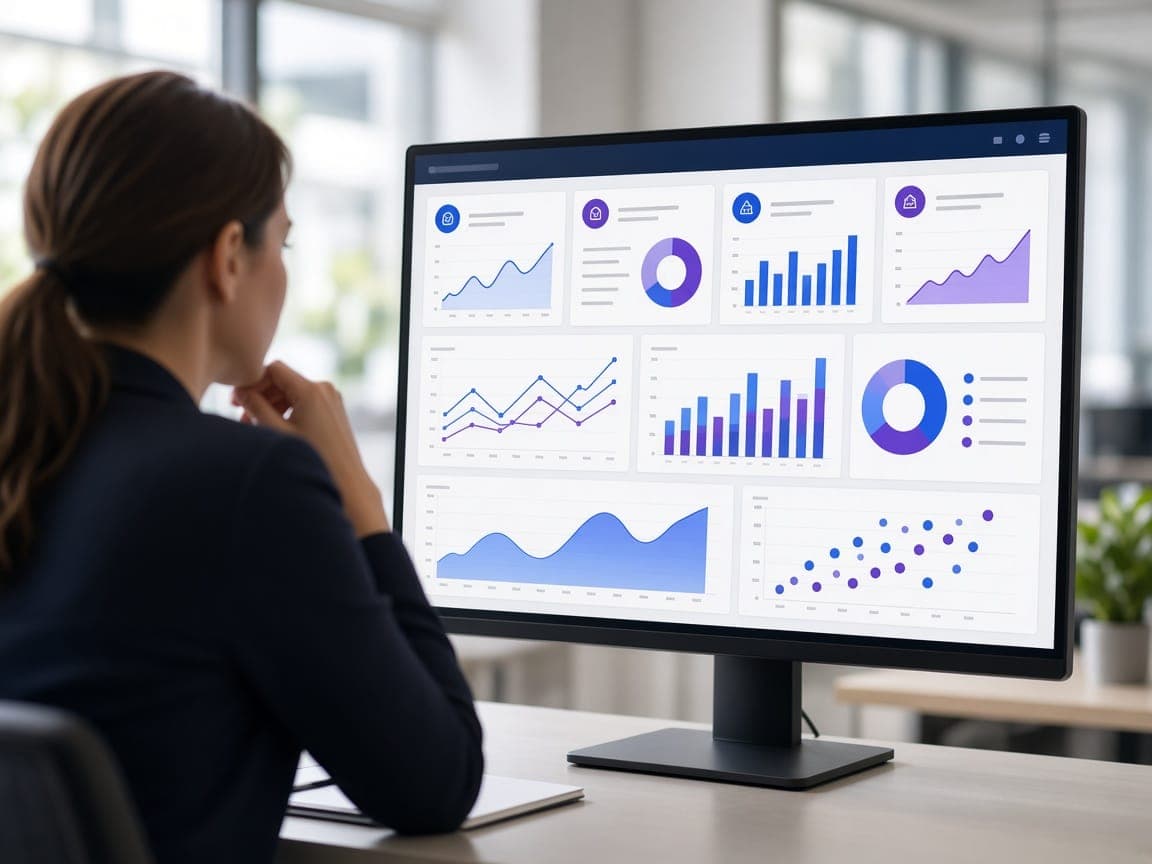
A custom CRM that tracks customers, quotes, meetings and opportunities in one place, with reminders and reports for your team.

Warehouse, stock & barcode systems

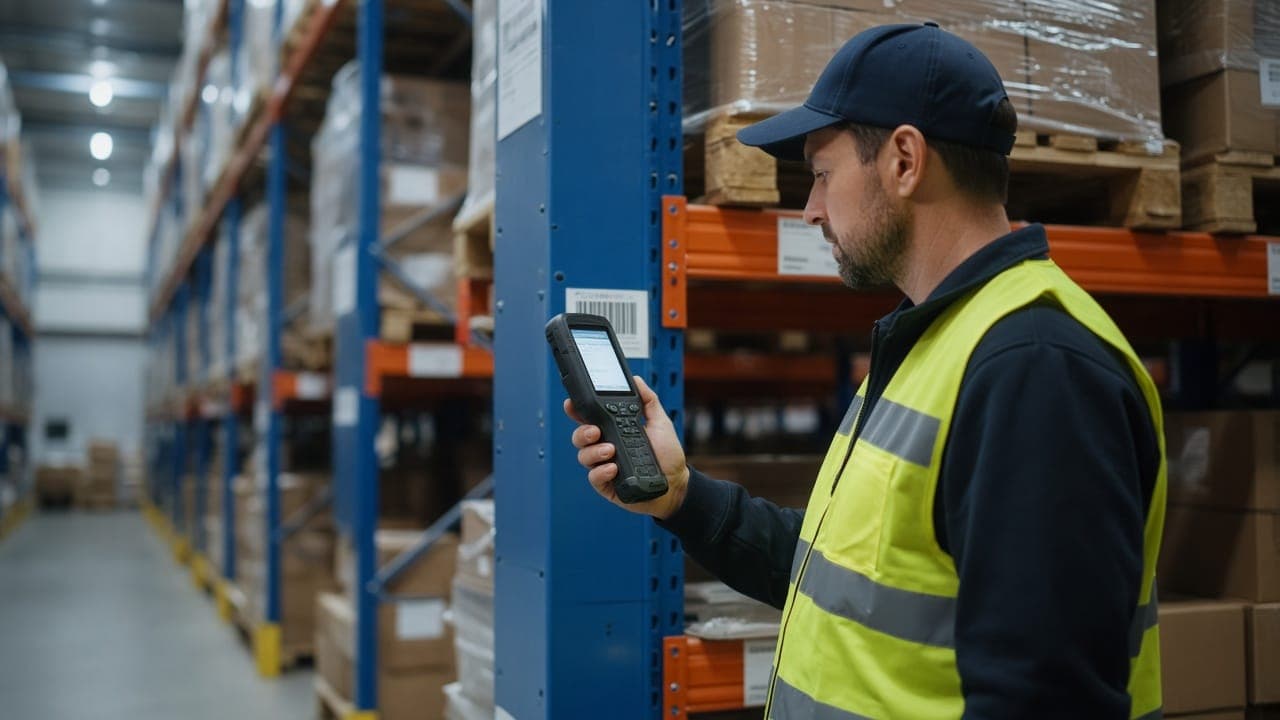
Goods receipt, bin locations, picking, counting and shipping with handheld terminals and barcodes/QR, for real-time, accurate stock.

Workflow automation

We digitise approvals, forms, requests and document flows, and automate repetitive work.

Integrations & APIs

We connect ERPs such as Logo, Mikro and SAP with e-invoicing, shipping, payment and marketplace systems through secure APIs.

Web & mobile apps

Admin panels, customer and dealer portals, and high-performance iOS and Android apps from a single codebase.

SaaS & MVP development

From an MVP that validates your idea fast to scalable SaaS products with subscriptions and multi-tenancy.

Modernisation

We move legacy systems step by step to a modern, cloud-ready architecture without stopping the business.

What you get

  • Analysis document and screen designs
  • Documented software with source code you own
  • Testing, security review and go-live
  • Maintenance and development support agreement
In-depth guide

A practical guide to custom software development

What custom software is and when you need it

Custom software is an application built around a company’s own workflows, either from scratch or on top of an existing foundation. Unlike an off-the-shelf package, the software adapts to the process rather than the other way round. For businesses that want orders, stock, customers and field work in a single system, it’s often the most durable option.

The signs are usually clear: the same data is typed into several places, monthly reports are rebuilt by hand in spreadsheets, information is copied between the ERP and the online shop or marketplaces, and per-user licence fees keep climbing as the team grows.

Off the shelf, customised or built from scratch?

Custom software isn’t the answer to everything. Areas such as accounting or payroll, which change with legislation and look much the same across industries, are normally better served by established products. Bespoke development earns its keep in processes that are specific to you and give you an edge.

  • Off-the-shelf: the process is standard, speed matters and little tailoring is needed
  • Customising an existing product: the core fits, but a few critical steps differ
  • Built from scratch: the process is unique and needs deep integration with several systems
  • Hybrid: keep the core system, such as the ERP, and build bespoke modules around it

How to choose a development partner

Price alone is a poor basis for comparison. The real question is whether the software will still be maintainable, extendable and under your control in five years’ time. Asking the following questions early on prevents most of the disputes that tend to surface later in a project.

  • Who owns the source code and intellectual property on delivery
  • How the analysis phase runs and whether it produces a written scope
  • How often working versions are demonstrated and how feedback is handled
  • Whether testing, security review and documentation are included
  • The terms for post-launch maintenance, bug fixes and new features

What drives cost and timeline

The biggest cost driver isn’t the number of screens but the complexity of the business rules. An approval flow that looks simple can become the longest part of a project once every exception is accounted for. Integrations matter too: the quality of a third-party API and its documentation has a direct effect on the schedule.

User roles and permissions, mobile or offline use, migrating data from legacy systems, reporting requirements and performance targets all add to the scope. Splitting the work into phases gets a first version into people’s hands sooner and keeps the budget under control.

Common mistakes

The most common mistake is trying to fit everything into the first release, which drags the project out and delays real user feedback. Another is leaving the people who actually run the process out of the analysis; screens designed at a desk rarely survive contact with the warehouse floor.

Other familiar risks include leaving source code and server access with a single person or supplier, treating documentation as an afterthought, and squeezing go-live into a weekend while switching the old system off straight away.

How fountr approaches it

We start by looking at the current process on site and pin down the scope in a written analysis document. Development runs in short cycles with working versions shared regularly, and the software is handed over together with its source code. After launch, the same team carries on with maintenance and further development.

To talk through your project, call +90 535 100 71 41 or email [email protected].

How we work

  1. Step 11 week

    Discovery & needs analysis

    In a free initial meeting we listen to your goals, current systems and priorities, and identify together which work will pay back fastest.

  2. Step 23–5 days

    Strategy & proposal

    We prepare a written roadmap and proposal that pins down scope, deliverables, timeline and budget. No surprise costs.

  3. Step 31–3 weeks

    Design & prototype

    We validate the idea with screen designs, architecture and, where useful, a working prototype. Nothing moves to development without your approval.

  4. Step 44–12 weeks

    Build & test

    We build in two-week sprints and demo a working version at the end of each one. Quality, security and performance testing are built in.

  5. Step 5Ongoing

    Launch & ongoing support

    We go live, train your team and keep growing results with monthly support, SEO/GEO and continuous improvement.

Frequently asked questions

Why custom software instead of an off-the-shelf OMS/CRM?

Packages force you into their workflows and per-user licence costs grow with you. Custom software fits your processes exactly, integrates with your ERP and e-commerce systems, and you own the code. Where it makes sense, we also recommend customising an existing product.

Which hardware do warehouse and barcode systems use?

They work with Android handheld terminals, barcode scanners, label printers and tablets. We assess your existing hardware and recommend suitable devices if needed.

Who owns the source code?

All rights to the source code developed for your project are transferred to you on delivery.

How is pricing done?

After the discovery call we define the scope and offer either a fixed-price proposal or a monthly team model.

How can I follow progress during the project?

We demo a working version every two weeks and share all work transparently on a shared project board.

Do you provide support after launch?

Yes. We offer monthly support packages for maintenance, updates and new features.

Get a quote for Software Development

Tell us what you need and we’ll get back within one business day with a tailored roadmap and proposal.