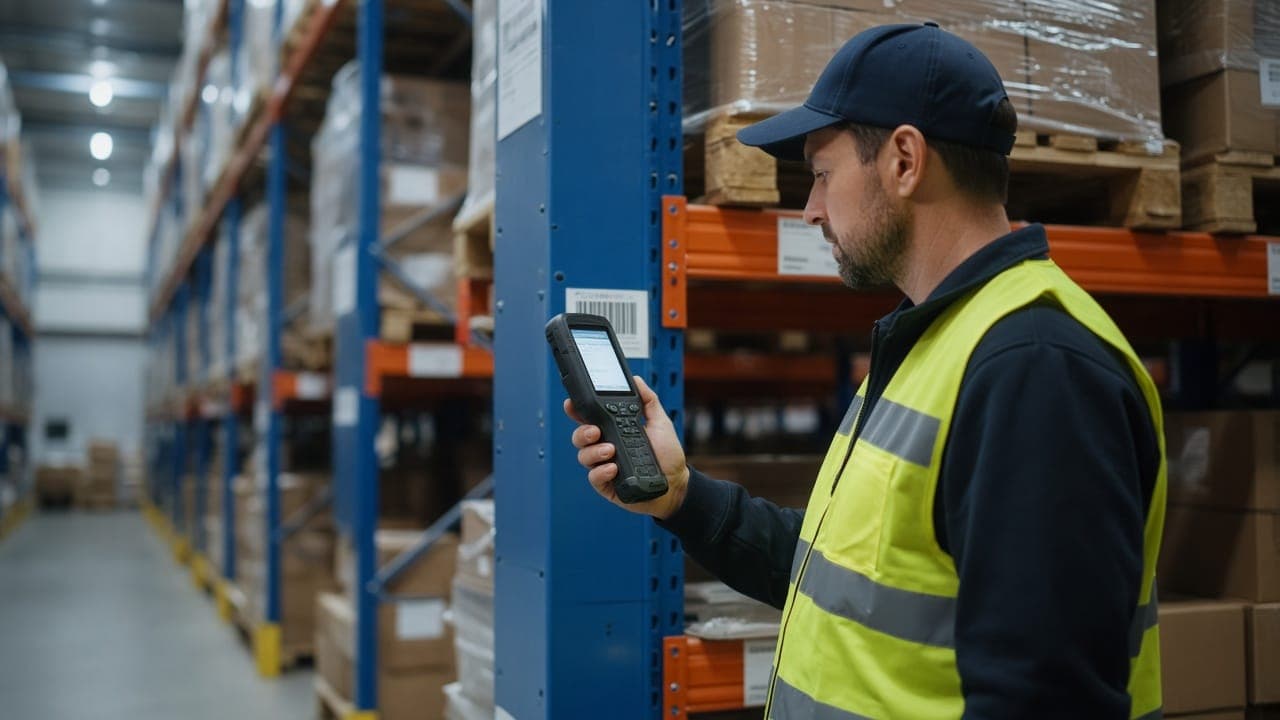




What an OMS actually does
An order management system (OMS) collects orders from every sales channel in one place and tracks each one from the moment it’s placed until it reaches the customer. Orders from your website, marketplaces, trade customers and the phone all appear in the same list, with status, stock and invoicing handled against a single record.
Put simply, it stops your team jumping between dashboards and copying data from one system to another.
Why selling on several channels gets messy
Each new channel adds complexity. Every marketplace has its own dashboard, order format and returns policy. When stock is updated separately on each one, selling the same item twice is only a matter of time.
- Selling items you no longer have, then cancelling
- Re-keying invoice and delivery details by hand
- Losing track of where an order has got to
- Returns reaching stock figures too late
- No clear view of profitability by channel
Core features to look for
An OMS is only as useful as the systems it connects to. At a minimum, it should pull orders automatically from marketplaces such as Trendyol and Hepsiburada and from your own online shop, and keep stock levels in step across all of them.
- Marketplace and online shop integrations
- Central stock control across multiple warehouses
- E-invoicing (e-Fatura and e-Arşiv) integration
- Courier integration for labels and tracking numbers
- Returns and exchange handling
- Reporting by channel, product and period
Who benefits most?
The clearest case is a business selling the same stock through several channels. As daily order numbers rise, every manual step costs time and invites mistakes. Manufacturers selling to both trade and retail customers, and companies shipping from more than one warehouse, fall into the same category.
If you sell through a single channel with modest volumes, your e-commerce platform’s own order screen is often enough. It makes sense to consider an OMS once order handling becomes a genuine bottleneck to growth.
Getting the switch right
In most OMS projects the slowest part isn’t the software but tidying up product data. The same item listed under different codes on different channels, or variants entered inconsistently, needs sorting out first. Going live on one channel before adding the rest keeps the risk manageable.
Summary and working with fountr
A well-built OMS becomes the backbone of multi-channel selling; a poorly planned one just adds another dashboard. We look at your current channels, accounting and shipping processes, then set up an order management structure that suits the way you work and build the integrations it needs. Get in touch on +90 535 100 71 41 or at [email protected].