


What an integrated security system is and why it matters
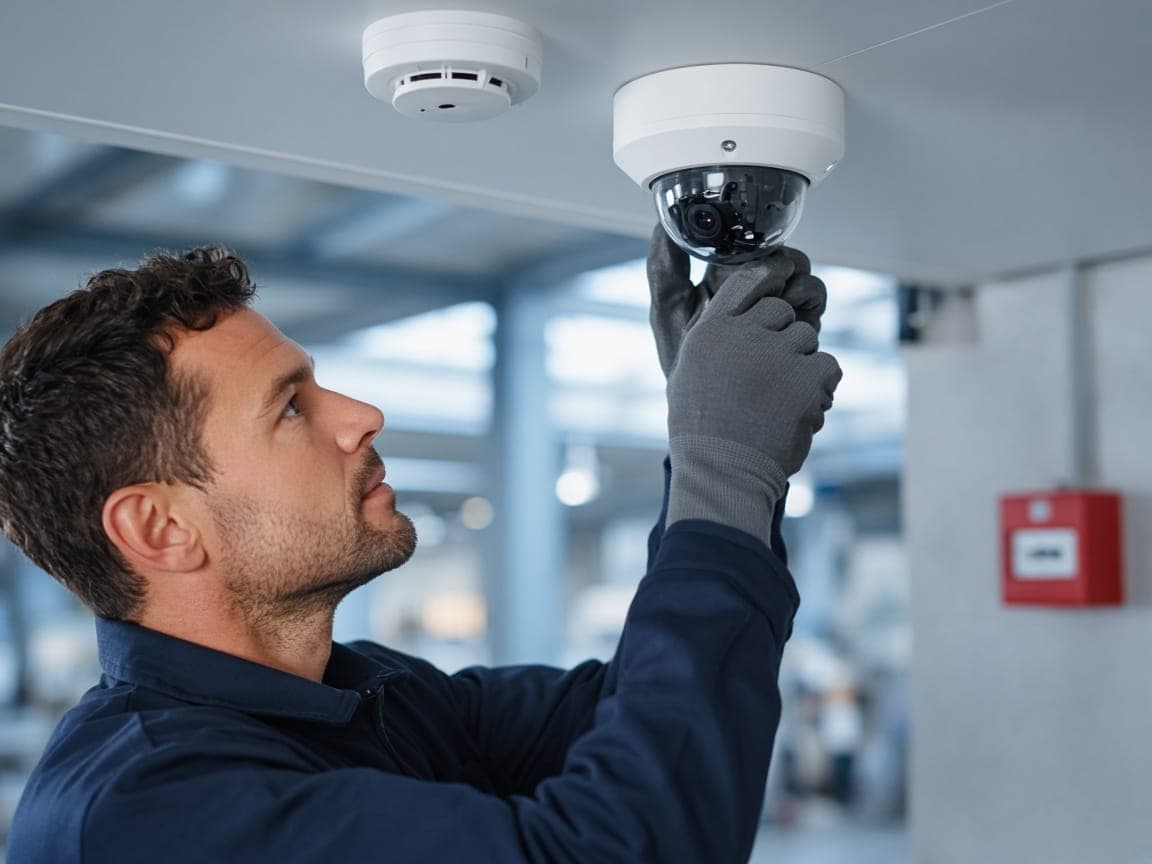
An integrated security system is one where CCTV, fire detection, intruder alarms, access control and time attendance are planned together and, as far as possible, managed from one place. When systems are added separately over the years, you end up with incompatibilities, blind spots and a tangle of maintenance contracts.
In a well-planned setup, an alarm can take you straight to the relevant camera feed, access logs can be checked against the time of an incident, and the right people are notified on their phones.
Key components and options
Every site has its own risk profile, so not every component is needed everywhere. Even so, these are the main areas worth reviewing during a site survey:
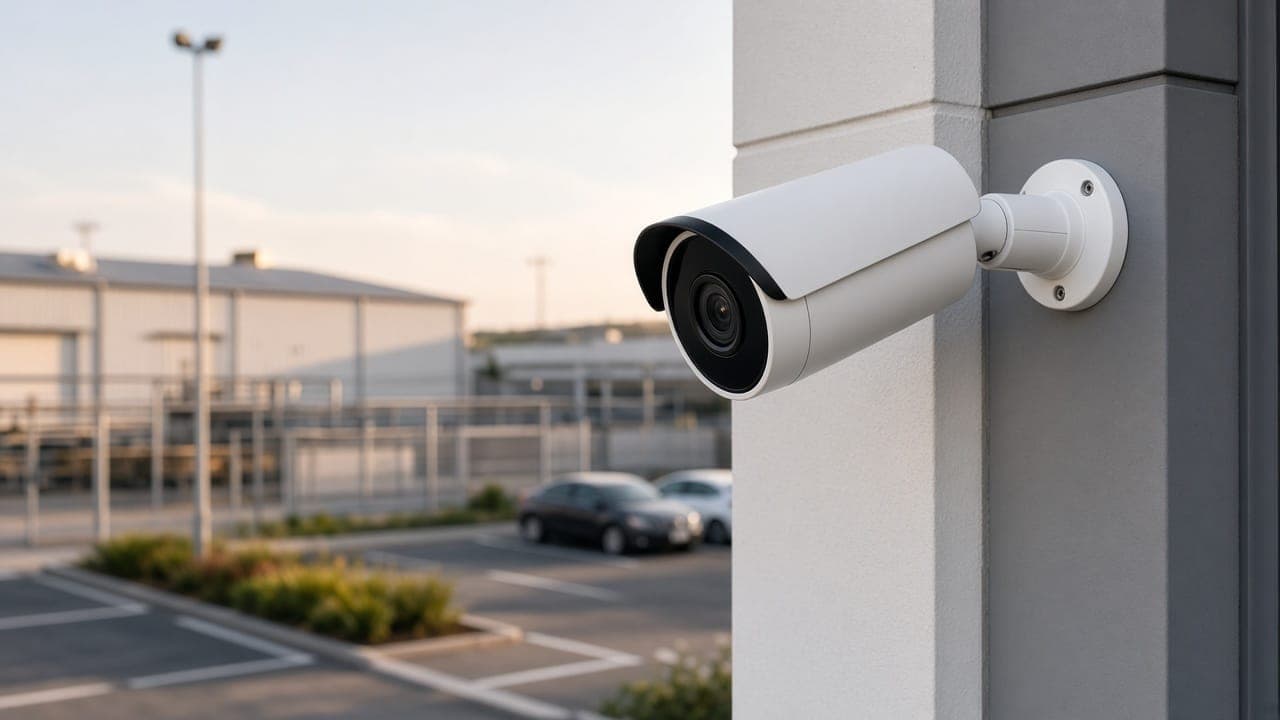
- IP cameras and CCTV: resolution, night vision, recorder (NVR), retention period and remote viewing
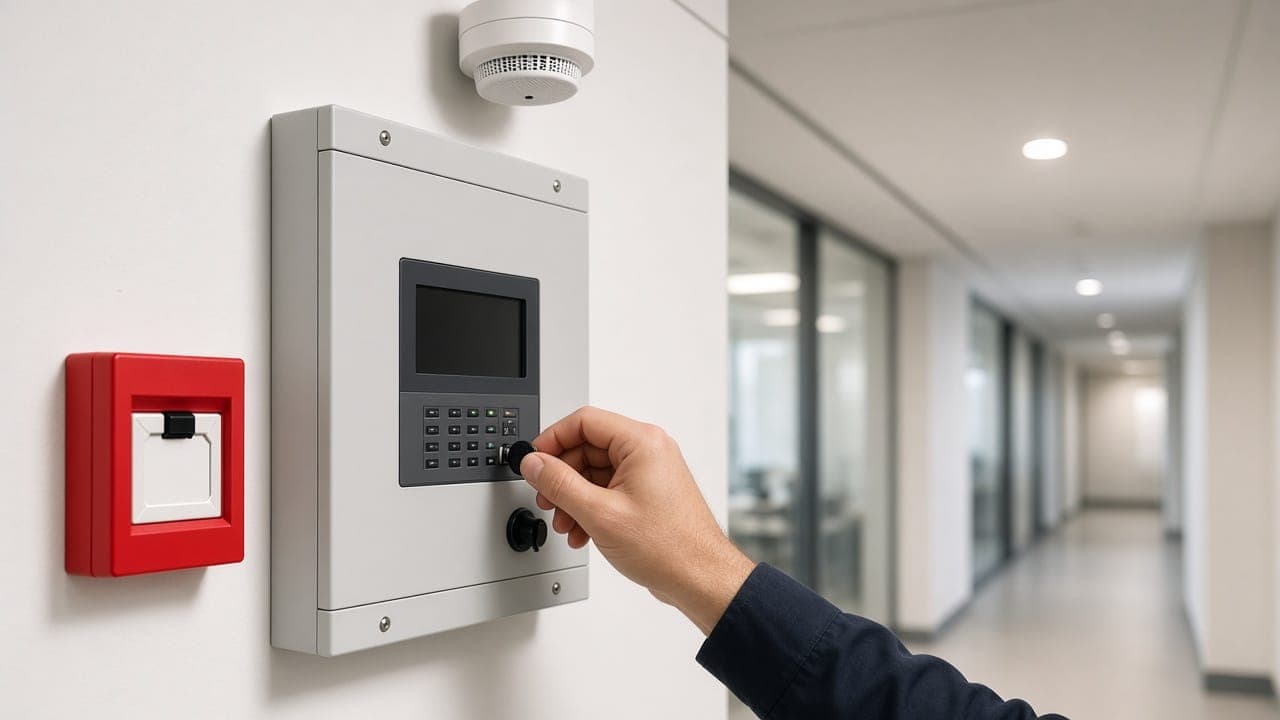
- Fire detection and alarm: panels, detectors, call points, sounders and beacons to the EN 54 series
- Intruder alarms: wired or wireless panels with motion, door/window and glass-break sensors
- Access control and turnstiles: card, PIN, QR or face recognition with role-based permissions
- Time attendance: clock-in/out, overtime and shift data passed to payroll and HR systems
- Central monitoring and maintenance: every system on one screen, with scheduled testing
Addressable or conventional fire detection?
In a conventional system, detectors are wired to the panel in zones. When an alarm goes off you know which zone it came from, but not the exact device. For small, straightforward buildings this is usually sufficient and more economical.
In an addressable system, every detector and call point has its own address, so the panel shows exactly which device raised the alarm or fault. On large, multi-storey or compartmentalised sites this speeds up the response and makes maintenance easier. The choice should be made at the design stage, based on Turkish fire protection regulations and the building itself.
Camera recordings and data protection (KVKK)
Because CCTV footage can identify people, it counts as personal data under Turkey’s Personal Data Protection Law No. 6698 (KVKK). The business operating the cameras is the data controller: it needs a lawful basis and a defined purpose for recording, must inform the people being filmed and must protect the footage from unauthorised access.
In practice that means signage in monitored areas, keeping private spaces such as toilets and changing rooms out of view, limiting access to recordings to authorised staff and setting a retention period that fits the purpose. Fingerprints and facial data are special categories of personal data, so biometric access control and attendance need separate consideration. Take legal advice for your specific situation.
Cost drivers and common mistakes
Cost depends on the size and layout of the site, the number of cameras and detectors, the required retention period, cable runs, outdoor conditions, integration needs and the scope of maintenance. How much of the existing cabling and equipment can be reused also makes a real difference to the budget.
- Getting quotes based on camera count alone, without a site survey
- Not sizing storage to the retention period you actually need
- Leaving recorders exposed to the internet with default passwords
- Neglecting periodic testing and maintenance once the fire system is in
- Leaving data protection notices and access rights until later
How fountr approaches it
Every project starts with a site survey and risk assessment, followed by a layout plan for cameras and detectors with a full bill of materials. After installation and commissioning we train your users, then keep the system in working order with scheduled maintenance and test reports. To arrange a survey, call +90 535 100 71 41 or email [email protected].