


What a fire detection system is for
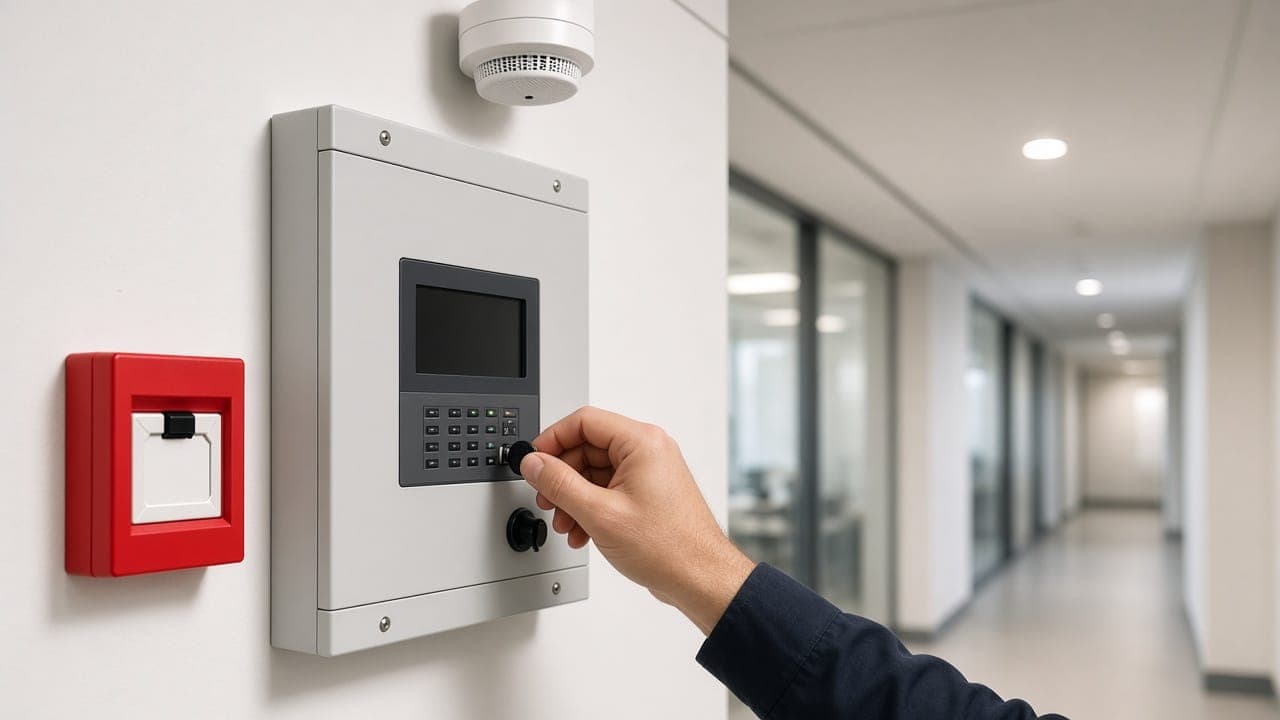
A fire detection system exists to spot a fire as early as possible, warn the people inside and, where needed, trigger other building systems. At its heart sits a fire alarm control panel; out in the building you’ll find detectors, manual call points, sounders and beacons.
The choice of panel largely decides how much useful information you get when an alarm goes off. There are two main architectures to consider: conventional and addressable.
Conventional panels: thinking in zones
In a conventional system, detectors are wired together in circuits called zones. When one of them activates, the panel can only tell you which zone is in alarm, not which device. You might see “Second floor, east corridor”, but someone still has to walk the area to find the exact room.
For small offices, shops or modest storage units with a simple layout and few devices, this approach can be perfectly adequate and cost-effective.
- Relatively straightforward to install and commission
- Usually a lower upfront cost
- Alarm location reported at zone level only
- Cabling becomes unwieldy as the building grows
Addressable panels: every device has an address
With an addressable system, each detector and call point has its own address on a loop. When an alarm is raised, the panel shows exactly which device has triggered, along with a location description set during commissioning. Responders get to the right place faster, and tracking down the cause of false alarms is far easier.
Addressable panels can also report faults and contamination levels on individual detectors. They are the usual choice for multi-storey buildings, factories, hotels, healthcare sites and larger offices.
Detector types and field devices
Picking the right detector depends on the environment. A smoke detector in a kitchen is a recipe for nuisance alarms, while a dusty production floor may call for a different detection method entirely. Each area should be assessed on its own merits at the design stage.
- Optical smoke detectors: the common choice for offices and corridors
- Heat detectors: kitchens, plant rooms and similar areas
- Multi-sensor detectors: combine smoke and heat readings
- Manual call points: along escape routes and at exits
- Sounders and beacons: audible and visual warning
Standards, regulation and maintenance
The EN 54 family of standards, published in Turkey as TS EN 54, is the key reference for fire detection components, with separate parts covering panels, detectors, call points and sounders. In Turkey, the Regulation on the Fire Protection of Buildings sets out which measures are required for different building types.
Maintenance matters as much as installation. Regular detector testing, battery checks and a proper test log are the only real way to know the system will work when it’s needed.
In short, and how fountr can help
A conventional panel can be enough for small, simple premises, while an addressable system pays off in larger or multi-storey buildings through clearer information and easier upkeep. At fountr we help with site surveys, system design, installation and scheduled maintenance. If you’d like to talk through the right set-up for your building, call +90 535 100 71 41 or email [email protected].