


IP or analogue?
Analogue HD systems (such as HD-TVI or AHD) are still a cost-effective option where existing coaxial cabling can be reused. IP cameras send video digitally over the network, offering higher resolutions, more flexible installation and richer software features.
For a new installation, or anywhere the cabling is being replaced, IP is usually the sensible choice. If you’re extending an older system, a hybrid recorder that handles both technologies can bridge the gap.
Resolution, lenses and night vision
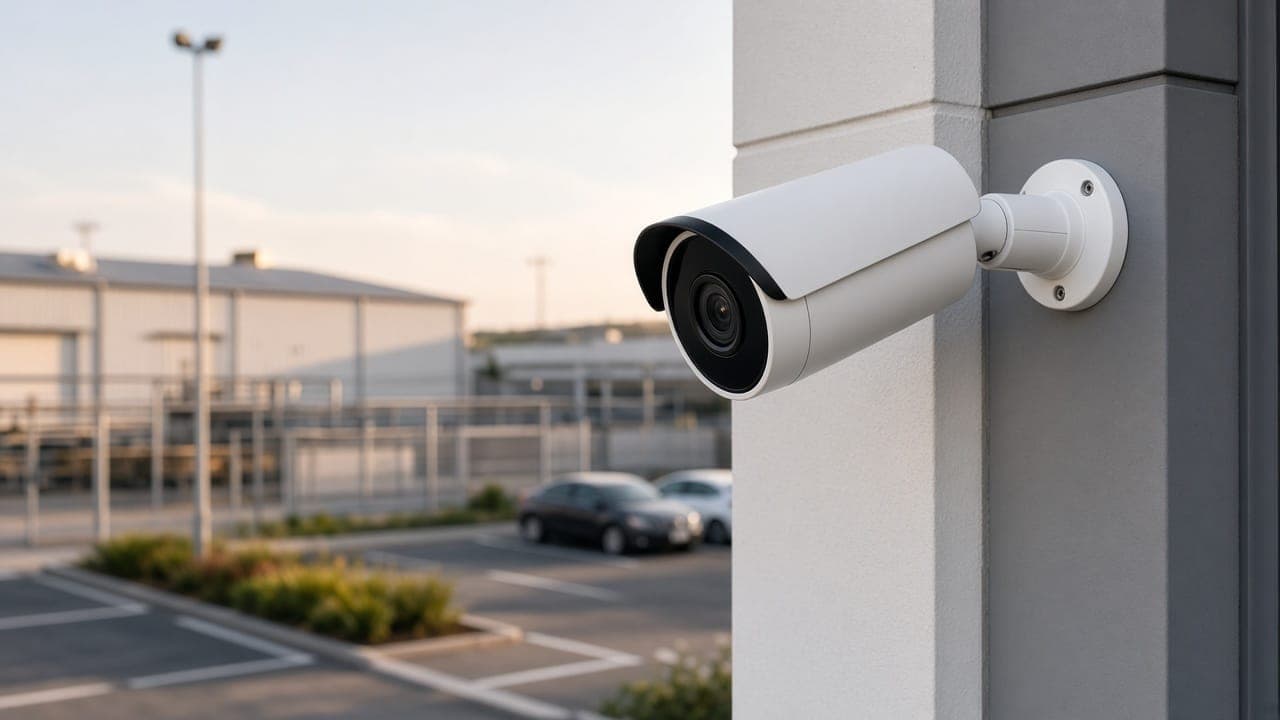
More megapixels don’t automatically mean better results; what matters is what each camera needs to see. Watching over a car park is a very different job from identifying a face at a doorway, and calls for a different lens and position. For night-time coverage, check that the infrared range actually reaches the area you need.
- Purpose: general overview, identification or number plates?
- Wide-angle lenses cover more but show less detail
- Varifocal lenses allow adjustment on site
- Infrared range and low-light performance
- A suitable weather rating (IP66/IP67) outdoors
Recorders and how long to keep footage
IP cameras normally record to an NVR (network video recorder). The storage you need depends on the number of cameras, resolution, frame rate, compression (H.264 or H.265), whether you record continuously or on motion, and how many days you keep footage.
The logic is straightforward: take each camera’s bitrate, multiply by recording hours per day, add up all cameras and multiply by the retention period. Manufacturers’ calculators are a useful starting point, though real figures vary with how busy each scene is.
Remote viewing and PoE cabling
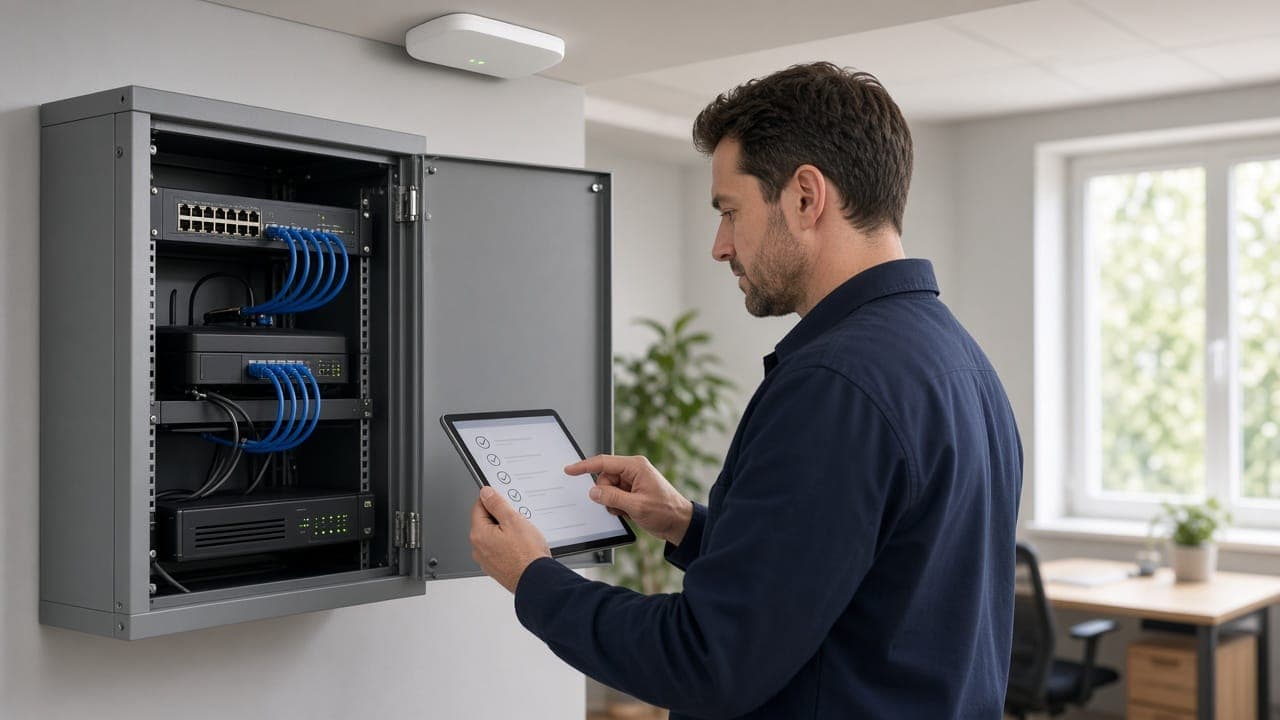
For remote viewing, use a VPN or the manufacturer’s secure cloud service rather than exposing the NVR directly to the internet. Always change default passwords and keep firmware up to date. Putting cameras on their own network segment is good practice too.
- PoE carries data and power over one cable
- Ethernet runs are limited to around 100 metres
- Check the PoE switch’s total power budget
- Use outdoor-rated cable and junction boxes
KVKK considerations
Under Turkey’s Personal Data Protection Law No. 6698 (KVKK), camera footage counts as personal data. Areas under surveillance should carry clear signs saying recording is taking place, and people must be properly informed. Cameras shouldn’t cover places where privacy is expected, such as toilets or changing rooms.
Set a retention period, delete footage once it expires and restrict who can access recordings. We’d recommend checking the details with your legal adviser.
Summary and how fountr can help
A good CCTV system depends as much on the site survey, cabling and configuration as on the cameras themselves. We survey your premises, recommend cameras and recording to match your needs, and provide maintenance and support after installation. To arrange a survey, call +90 535 100 71 41 or email [email protected].